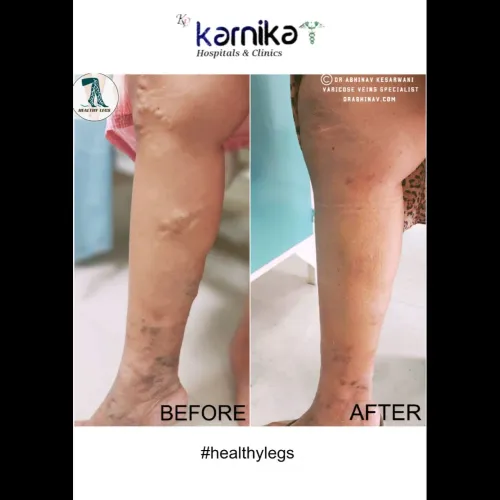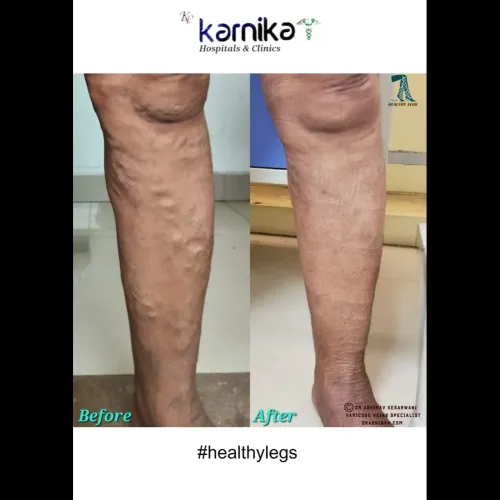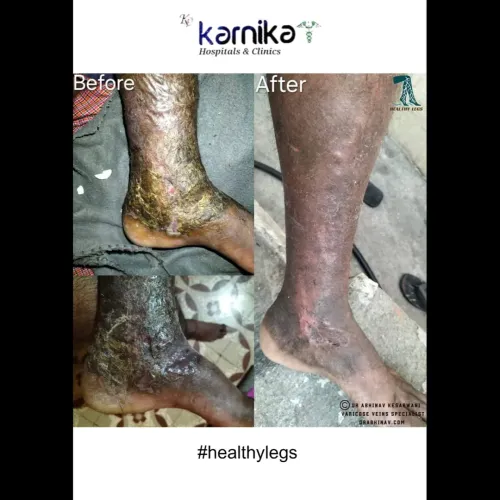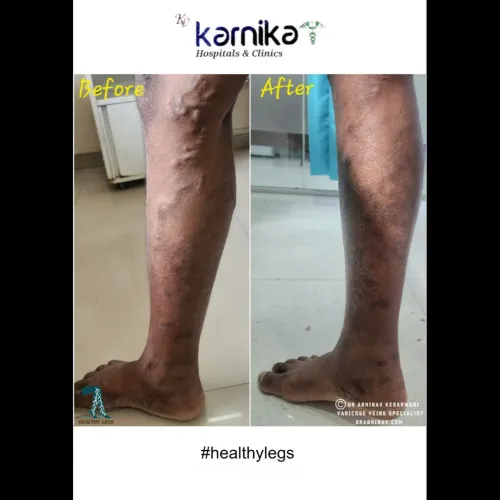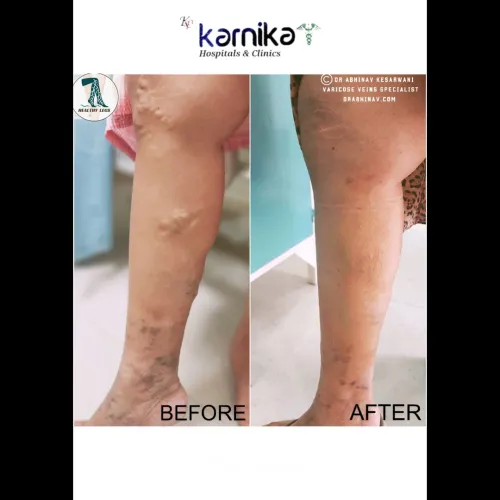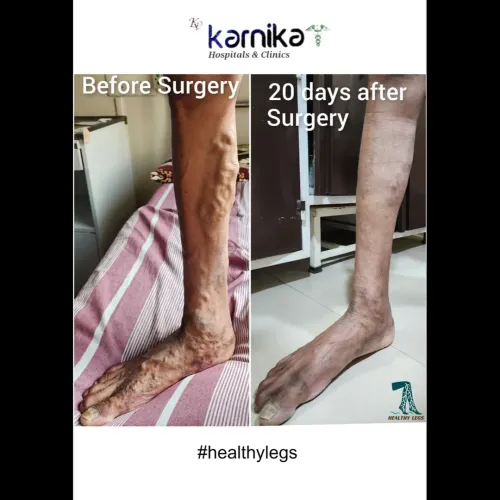
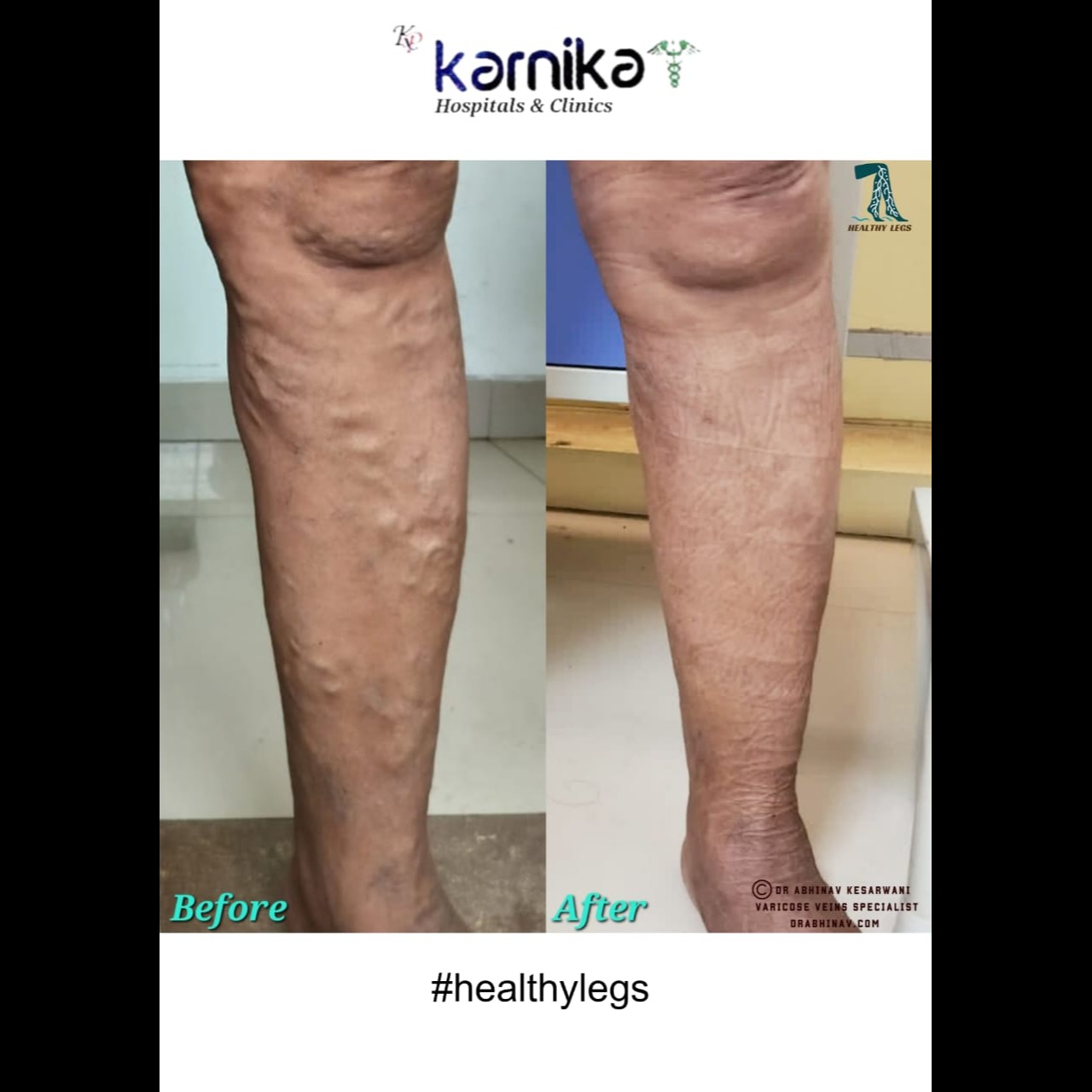
Treatment for varicose veins depends on how severe they are and whether there are symptoms or complications.
Common treatments
Lifestyle measures: regular walking/exercise, avoiding prolonged standing or sitting, maintaining a healthy weight, and elevating the legs when resting.
Compression stockings: can reduce aching, swelling, and heaviness. They don't remove the underlying veins.
Minimally invasive procedures: if symptoms persist or veins are significant, a vascular specialist may recommend endovenous laser treatment (EVLT/EVLA), radiofrequency ablation (RFA), or sclerotherapy.
Surgery: vein ligation/stripping is now less commonly needed but may be considered in selected cases.
A duplex ultrasound is commonly used to assess the veins and determine whether there is significant venous reflux before choosing a procedure.
Seek urgent medical attention if a leg suddenly becomes very swollen, painful, red/warm, or if you develop chest pain or shortness of breath, as these can indicate a blood clot.
If you tell me your age, symptoms (pain/swelling/skin changes), how long you've had the veins, and whether they're in one or both legs, I can explain which treatment options are typically considered.
Keywords